
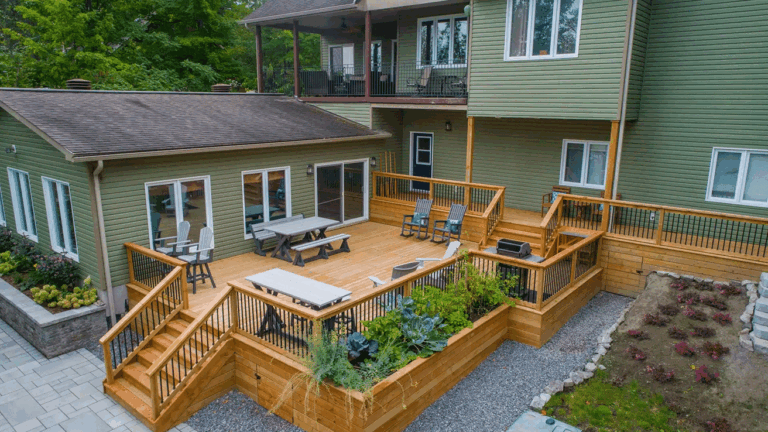
Building a deck in Ann Arbor? You’ll need to understand when permits are required and what the process looks like. Building permits are documents issued by the City of Ann Arbor Planning and Development Department to oversee and approve any changes to structures. Skip this step and you might face fines or have to tear down your project.
Key Takeaways
- Most decks require permits in Ann Arbor, especially if they are attached, elevated, or larger than 200 sq ft.
- State-level exemptions apply only if the deck is:
- Under 200 sq ft
- Less than 30 inches high
- At least 10 feet from the house
- Ann Arbor may still require a permit even in these cases.
- Multi-level or raised decks always need permits, and typically require full construction drawings.
- Permits are submitted via the STREAM online system, and inspections are required at multiple stages.
- Skipping a permit risks fines, forced removal, and issues with resale, insurance, and liability.
- Even repairs or resurfacing often require a permit if any structural elements are touched.
- Always check with Ann Arbor’s Building Department directly before starting your project.
When Does Your Deck Need a Permit?
Michigan gives you some wiggle room with smaller decks. You can skip the permit if your deck checks all these boxes: under 200 square feet, less than 30 inches above ground, and more than 10 feet from your house. That’s state law, but Ann Arbor might still want their paperwork.
Here’s where it gets tricky. Ann Arbor lists “Floating/Detached Deck (200 square feet or less)” under their zoning compliance permits, which suggests even small decks need some form of approval. Call the city before you start digging.
Most decks will need permits. Anything over 200 square feet definitely requires one. For perspective, a basic 10×20 deck hits that limit exactly.
Size Matters
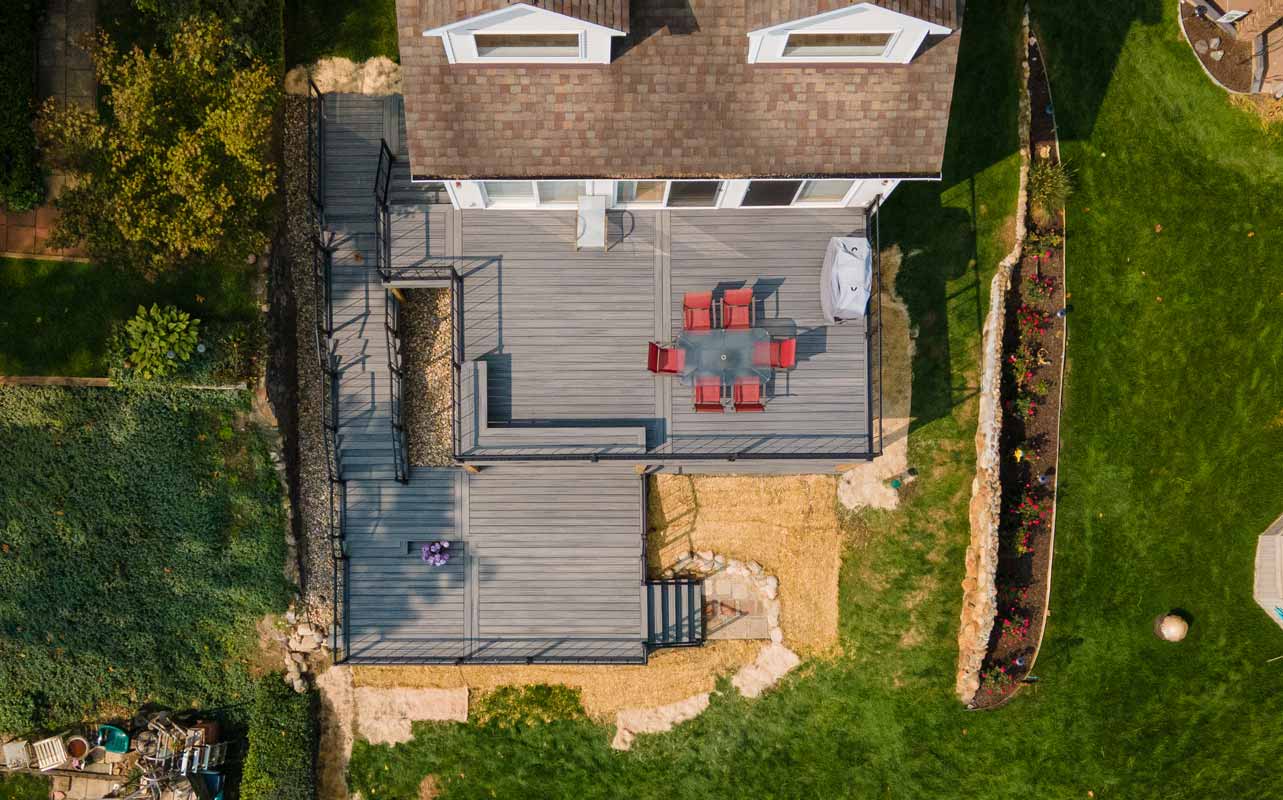
A deck is an exterior floor system supported on at least two opposing sides by an adjoining structure and/or posts, piers, or other independent supports. Whether it’s attached to your house or stands alone, size drives the permit requirements.
Small decks under the 200 square foot threshold might qualify for simpler zoning compliance permits rather than full building permits. But don’t assume. Multi-level decks, raised platforms, or anything with complex stairs always need the full permit process.
Building Code Requirements You Can’t Ignore
The minimum frost depth for Michigan is 42″, which means your footings need to go deep. This prevents frost heave from shifting your deck during freeze-thaw cycles. For most freestanding and attached decks, a minimum depth of 42 inches is required; however, larger or more complex structures might require deeper footings.
Applications submitted for civil or building permits before May 1, 2025, will be reviewed under the previous 2015 Michigan Building Code, provided they are complete and meet all submission requirements. After that date, newer code requirements kick in.
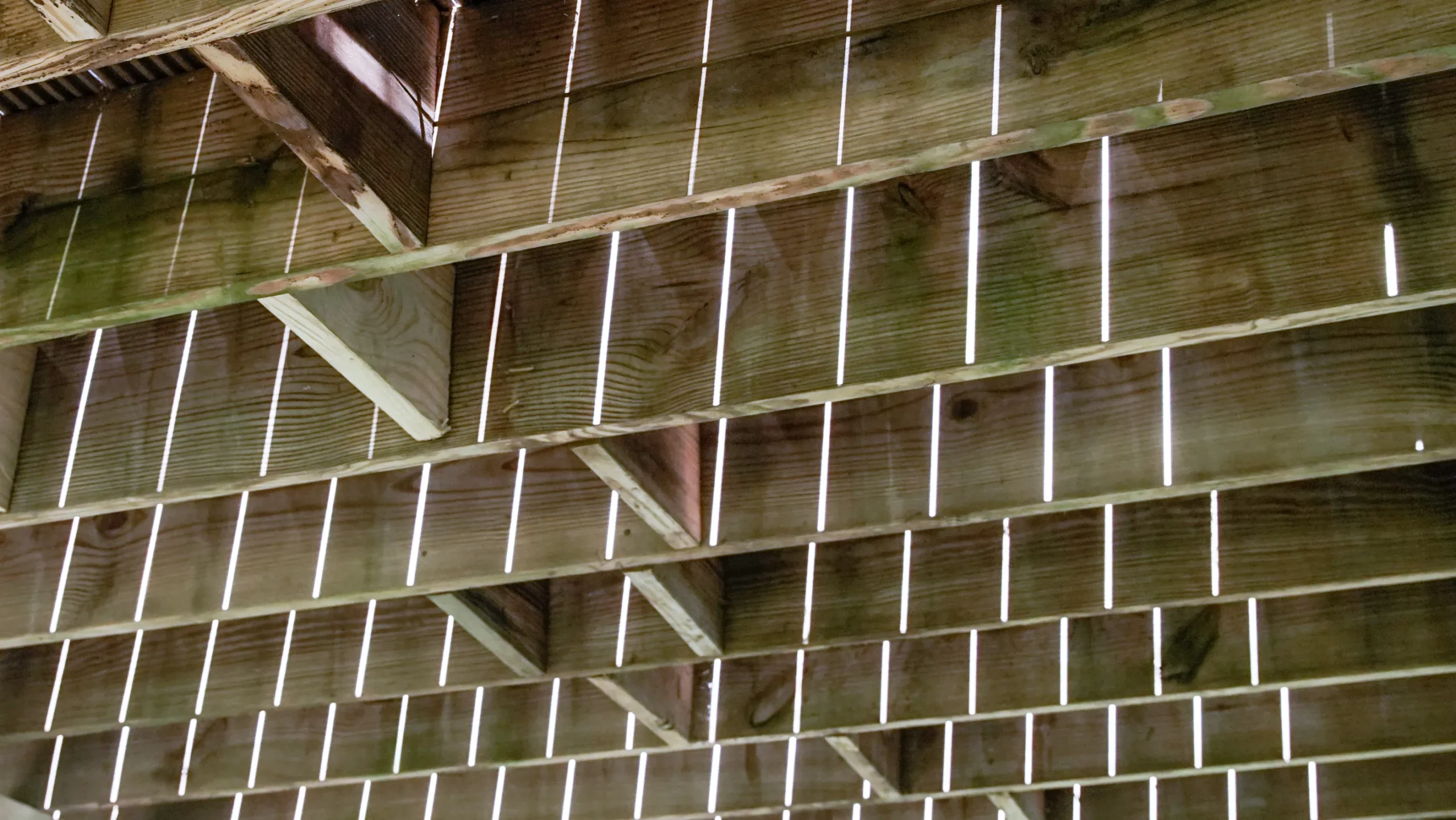
Joist Sizing and Spacing: Most decks use 16″ on center spacing for joists, and most decking is not strong enough to support wider spans than 16″.
The ends of each joist, beam or girder shall have not less than 1½ inches (38 mm) of bearing on wood or metal and not less than 3 inches (76 mm) on masonry or concrete. This bearing requirement keeps your deck frame properly supported.
Cantilevers and Beam Requirements: Joist and beam cantilevers must not exceed ¼ the length of the joist or beam span. So if your joist spans 12 feet, you can only cantilever 3 feet beyond the beam. End bearing length must be at least 1.5″. Minimum bearing cantilever is 3.5″.
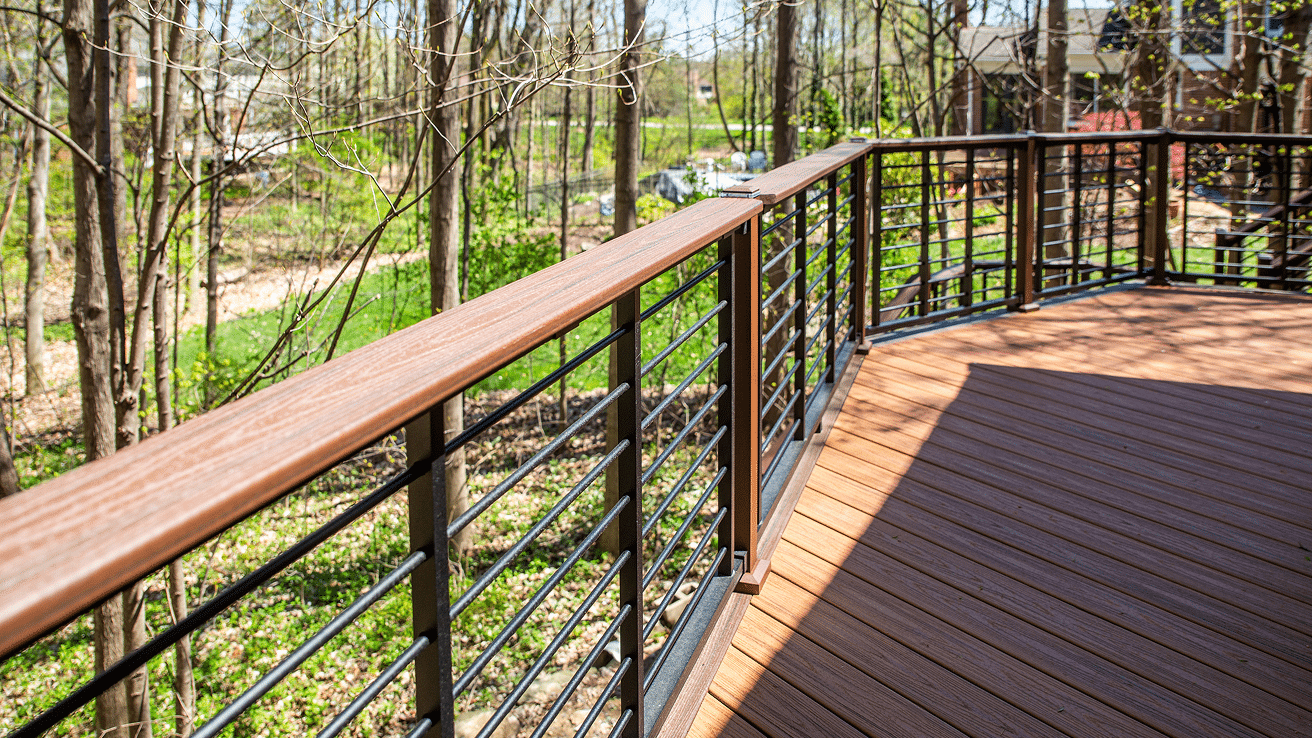
Railings and Stairs: Railings become mandatory when your deck sits 30 inches or higher above ground. They need to be at least 36 inches tall with spacing that won’t let a 4-inch ball slip through. Stairs require specific rise and run measurements, and you’ll need handrails if you have four or more risers.
Getting Your Permit
Ann Arbor handles permits through their online STREAM system. You’ll need to create an account and submit your application digitally.
Your application package should include:
- site plans showing where the deck goes on your property
- construction drawings with dimensions
- details about footings and structural elements
For complex projects, you might need engineer-sealed drawings.
The submission of construction documents may be waived by the building official when code compliance can be determined based on the description in the application. Simple projects sometimes get by with basic drawings, but don’t count on it.
What Happens After You Submit
Pay the permit fees and wait for plan review. The city will check your drawings against building codes and zoning requirements. Once approved, you can start construction.
You’ll need inspections at key stages. Expect visits after you dig post holes, when the framing is complete, and for final approval. Don’t cover up work before inspections happen or you might have to tear things apart.
Permit Costs
Ann Arbor doesn’t publish permit fees online. Contact their building department directly or check the STREAM system for current rates. Fees typically scale with project size and complexity.
The Risk of Going Without a Permit
Building without permits creates problems. You might face stop-work orders, fines, or requirements to remove non-compliant structures. Home sales can get complicated when buyers discover unpermitted work. Insurance claims might be denied if your deck doesn’t meet code.
Getting permits after the fact is possible but often costs more and creates delays. Some work might need to be uncovered for inspection, adding expense and frustration.
Deck Permit FAQ
Q: What can a homeowner do without a permit in Michigan?
A deck that is under 200 sq ft, less than 30 inches off the ground, and more than 10 feet from the house may be built without a permit, subject to local ordinance review.
Q: Is a permit needed for repairs or resurfacing?
Yes, if structural components like framing, railings, or stairs are altered, a permit is required.
Q: Are floating decks legal without permits?
Yes, if they meet the state’s exemption conditions. However, local jurisdiction may still require a permit depending on design or use.
Q: When is railing not required?
If your deck is 30 inches or less above grade, railings are not required.
Q: Do all decks need footings?
Non-floating decks must have proper footings per code. Floating decks built directly on the ground may not require footings, but ground contact and drainage must still be managed properly.
Before You Start
Check with Ann Arbor’s building department before breaking ground. Requirements change, and what worked for your neighbor might not apply to your situation. The city’s STREAM system provides current information and application forms.
Planning ahead saves time and money. A few phone calls now prevent bigger headaches later.
How to Avoid the Permit Headaches
Getting permits feels like paperwork torture. You’re dealing with forms, codes, inspections, and city departments that operate on their own timeline. Most people would rather skip it entirely.
We take care of all that. Our team prepares the applications, submits the drawings, and handles the back-and-forth with Ann Arbor’s building department. We know which inspectors to call and when to schedule visits.
Your project stays on track because we’ve done this hundreds of times. While you’re picking out deck stain colors, we’re making sure everything passes inspection. The city gets their paperwork, you get your deck, and nobody has to argue about joist spacing requirements.