
Understanding Ann Arbor’s Climate and Its Impact on Deck Materials
Ann Arbor’s weather is rough on decks. July temperatures hit the mid-80s with heavy humidity. Winter drops below freezing for months. We get nearly 38 inches of precipitation spread across the year.
That means your deck deals with freeze-thaw cycles, standing water, ice, and humidity. Materials that absorb moisture will rot, warp, or crack. You need something that sheds water and stays stable through temperature swings.
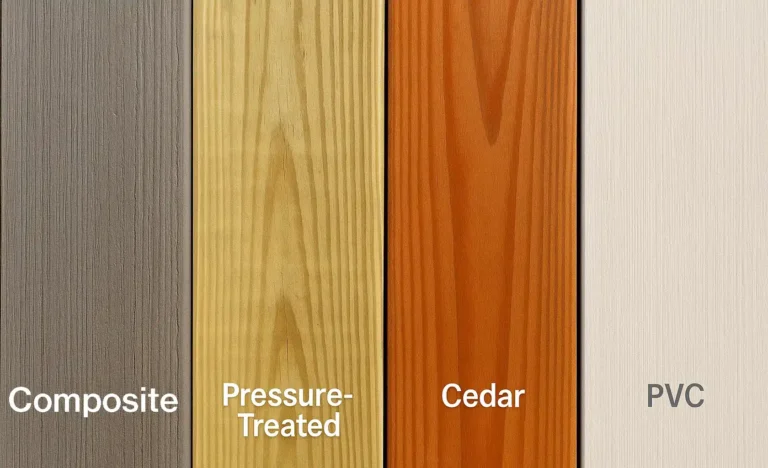
Composite Decking
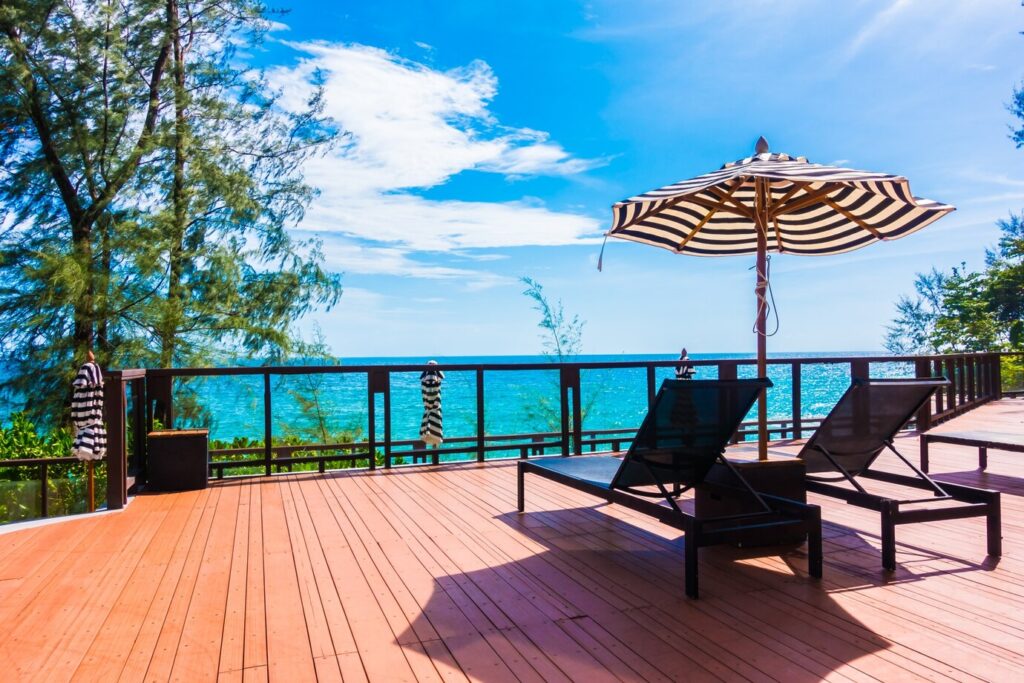
Composite decking mixes wood fibers with polyethylene or PVC. Trex is the most common brand you’ll see.
Capped composite boards have a thin polymer layer on the surface. This cap protects against UV fade, mold, and mildew. In Michigan’s humid climate, the cap keeps moisture from soaking into the core, which prevents swelling and fungal growth.
Composite costs more upfront than wood. But it lasts 25 to 50 years and comes with a 25-year warranty against fading and staining. You don’t sand it, stain it, or seal it. Just rinse it off twice a year.
Why composite works in Michigan:
Capped boards don’t absorb water, so they don’t rot or grow mold during our humid summers or freeze-thaw winters.
You skip the annual maintenance cycle. No sanding, no sealing, no painting.
Composite comes in wood-like textures and a wide color range. The color stays consistent without re-staining.
Downsides to know:
Dark composite boards get hot in full sun. Your feet might not appreciate it. Lighter colors stay cooler.
It still costs more than pressure-treated lumber, though prices have dropped over the years.
Pressure-Treated Lumber
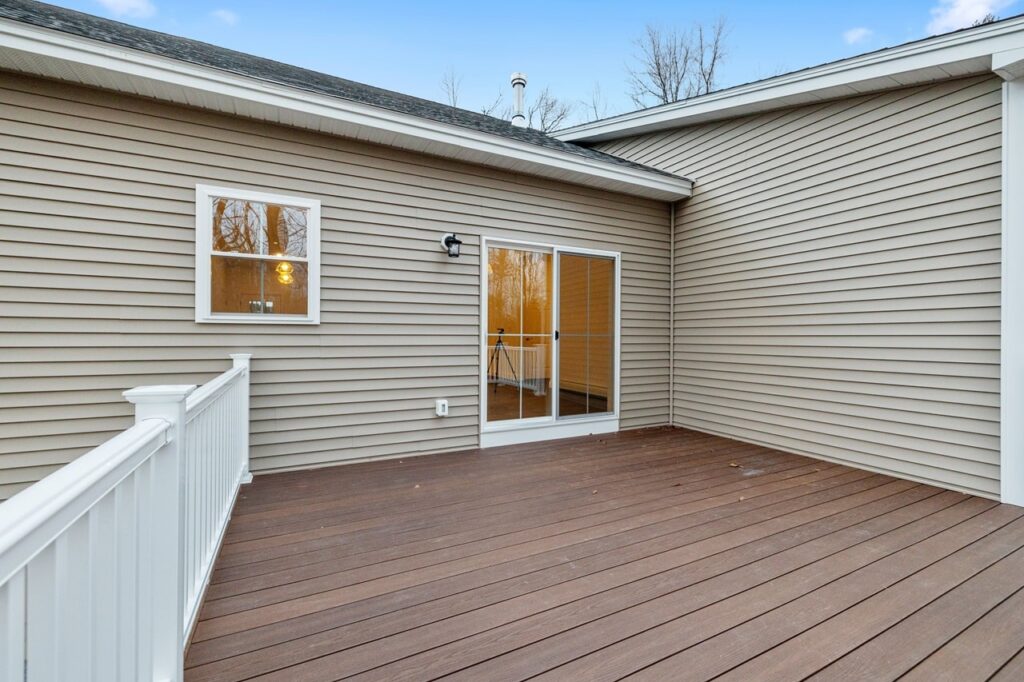
Pressure-treated lumber is pine or fir infused with preservatives. The most common treatment is alkaline copper quaternary (ACQ). It’s the cheapest decking material you can buy.
The chemical treatment fights rot, decay, and insects. That matters in Ann Arbor’s moisture-heavy environment.
But pressure-treated wood absorbs water. Over time, it shrinks, splits, and cups. You’ll need to sand, stain, and seal it every one to three years to keep it looking decent and performing well. Over ten years, those maintenance costs add up. You might spend more than you would have on composite.
Why people still use pressure-treated:
It’s cheap upfront. Home Depot and local mills stock it everywhere.
The preservative treatment protects against rot and termites, which is critical in humid climates.
The reality of maintenance:
You’ll sand, stain, and seal regularly. Michigan winters are hard on treated wood, especially with salt and moisture exposure.
The wood warps, splinters, and discolors over time. It never looks as clean as cedar or composite.
Cedar Decking
Western Red Cedar brings warm tones and natural grain patterns to a deck. Cedar’s natural oils resist rot and insects better than untreated softwoods.
But sun and rain fade cedar to silvery gray within a year or two unless you stain or seal it. Most homeowners apply oil-based stain every one to two years to keep the color and grain depth.
Cedar costs more per square foot than pressure-treated lumber but less than premium composites. Over ten years, you’re looking at five or more maintenance cycles, which pushes the total cost higher than composite.
Why people choose cedar:
The color and grain look great. It adds curb appeal and works well with Michigan home styles.
The natural oils resist decay and insect damage, which extends how long the deck lasts.
What you’re signing up for:
Annual or biennial staining and sealing to prevent graying and weathering. Heavy snow and rain speed up the weathering process.
Cedar prices fluctuate with supply issues. It’s more expensive than treated lumber and can be hard to find when supply tightens.
PVC Decking
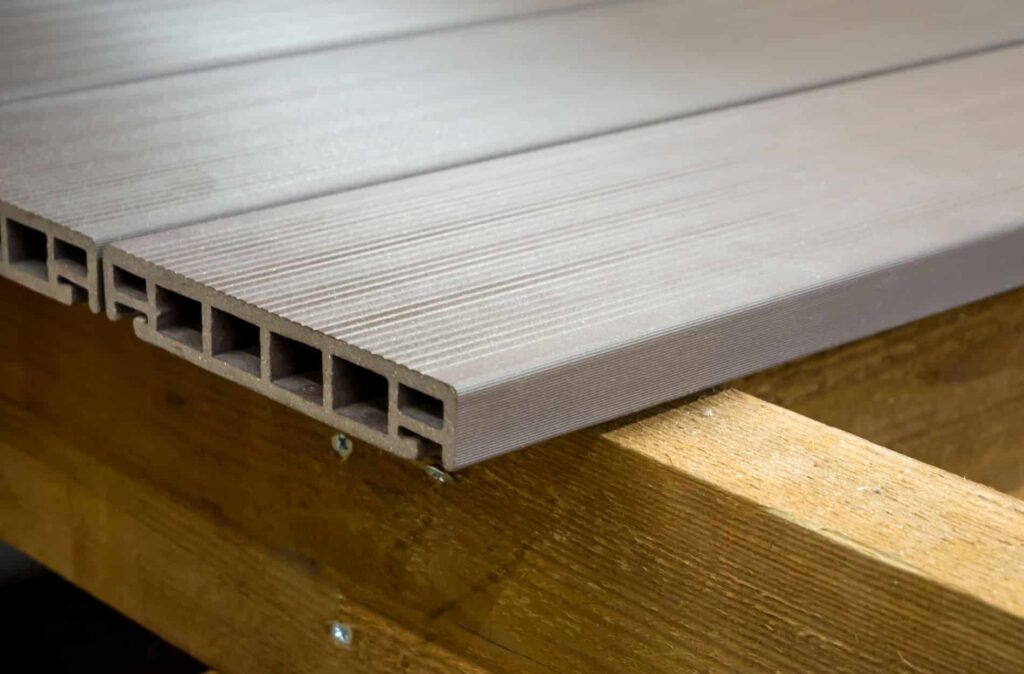
PVC decking is 100% polyvinyl chloride. No wood fibers at all.
Brands like AZEK and TimberTech make boards that don’t absorb water and don’t harbor mold. That makes them perfect for Michigan’s humid summers and icy winters.
PVC costs more than any other decking material. But it comes with 25 to 50-year warranties covering fade, stain, and structural integrity.
PVC expands and contracts more than wood when temperatures change. Manufacturers design their fastening systems to handle the movement, so you don’t get gaps or warping. Over ten years, you’ll spend almost nothing on maintenance beyond power washing. That makes the total cost of ownership lower than pressure-treated lumber or cedar.
Why PVC is worth considering:
It doesn’t absorb moisture or grow mold. Freeze-thaw damage isn’t a concern.
No sanding, staining, or sealing. Clean it with soap and water when it looks dirty.
The tradeoffs:
It’s the most expensive material upfront. Budget-conscious homeowners often can’t justify it.
Some PVC boards look synthetic, though modern embossing techniques have gotten better at mimicking wood texture.
Cost Comparison Over 30 Years
When you calculate total cost of ownership, you need to add up the initial installation and all the maintenance you’ll do over the life of the deck.
Here’s a rough comparison for Ann Arbor:
| Material | Initial Material Cost | Installation Cost | Total Initial Cost | Lifetime Maintenance Cost | Lifetime Total Cost |
| Trex Composite | $$$$ | $$$$ | $$$$ | – | $$$$ |
| Pressure-Treated Lumber | $$$ | $$$ | $$$ | $$$$ | $$$$$ |
| Cedar | $$$$ | $$$ | $$$$ | $$$$ | $$$$$ |
| PVC (AZEK/Wolf) | $$$$$ | $$$$ | $$$$$ | – | $$$$$ |
Trex Composite: Medium-high initial cost, low maintenance cost. Total cost falls in the medium range over 30 years.
Pressure-Treated Lumber: Low initial cost, high maintenance cost. Total cost ends up higher than composite because you’re constantly maintaining it.
Cedar: Medium initial cost, medium-high maintenance cost. Total cost is higher than composite over time.
PVC (AZEK/TimberTech): High initial cost, almost no maintenance cost. Total cost is similar to composite over 30 years.
Pressure-treated lumber and cedar often last less than 20 years even with regular maintenance. Composite and PVC can hit 50 years. That changes the math significantly.
What Matters for Ann Arbor Homeowners
Lifespan and warranty: Composite and PVC offer 25-plus-year warranties. They’re built to handle Michigan’s freeze-thaw cycles and heavy snow. Cedar and pressure-treated lumber typically warranty for five to ten years against structural failure.
Maintenance commitment: If you’re comfortable sanding and staining wood every year or two, you can save money upfront with cedar or treated lumber. If you’d rather skip that work, composite or PVC makes more sense.
What it looks like: Composite boards mimic wood grain pretty well now. But some people still prefer the authentic warmth of real cedar or exotic hardwoods like ipe.
Environmental impact: Composites use recycled plastics and reclaimed wood, which keeps waste out of landfills. Wood decking requires cutting timber, though ethically sourced cedar can be more sustainable than treated pine.
What’s available locally: In Ann Arbor, pressure-treated lumber and cedar are easy to find at Home Depot, Lowe’s, and local mills. Composite and PVC are available through specialty suppliers. Installer experience with composite and PVC varies more than it does with wood, which can affect labor costs.
What We’d Recommend
If you’re on a tight budget and don’t mind maintenance: Go with pressure-treated lumber. Plan to sand, stain, and seal every year or two to fight Michigan’s moisture.
If you care most about how it looks: Cedar gives you a naturally beautiful surface. You’ll stain it every other year, but the upkeep is manageable. It looks great against Michigan landscapes.
If you want low maintenance and long-term value: Capped composite like Trex is the best bet. It costs more upfront, but it lasts decades, handles freeze-thaw cycles, and often costs less over 10 to 30 years than wood. If you need a fully waterproof deck (near a pool, hot tub, or lake), go with premium PVC.
Your lifestyle, budget, and design preferences all play into this decision. Think about how much time you want to spend maintaining the deck. Think about how long you plan to stay in your house. Think about what you’re willing to spend now versus over the next 20 years.
Common Questions About Deck Materials
Which is better, PVC or composite?
Composite blends wood fibers with plastic. It looks more natural but absorbs slightly more moisture than PVC. It’s also better for the environment because it uses natural materials.
PVC is 100% plastic. It’s highly moisture-resistant and can last 50-plus years. The downside is cost and the risk of microplastic pollution.
What’s the downside of composite decking?
It can fade, scratch, and get hot in full sun. It costs more than wood upfront. But it’s more economical long-term because of durability, low maintenance, and how slowly it depreciates.
Is composite stronger than PVC?
Composite is denser and more rigid, which gives it better structural strength. PVC is lighter and more flexible.
Is composite decking worth the money?
Yes. It lasts 25 to 50 years with minimal maintenance. That makes up for the higher initial cost.
Can I stain or recolor composite decking?
Not recommended. It may void your warranty and result in uneven finishes.
What’s the best color for composite decking?
Grays and browns are popular. Darker shades hide dirt better. Lighter ones stay cooler in the sun.
What ruins composite decking?
Mold from debris buildup, dragging heavy furniture across it, or harsh chemicals. Use gentle cleaners and rinse regularly.
Is Dawn dish soap safe for composite decking?
Yes. Mild dish soap like Dawn works fine for routine cleaning.
Why is my Trex deck turning white?
Possible causes include hard water residue, sun bleaching, or a chemical reaction to cleaners. Trex recommends using their branded cleaner.
Does Trex get slippery when wet?
Trex has slip-resistant texture, but like all decking, it can get slippery when wet or dirty.
What’s the downside of PVC decking?
It costs more, can look less natural, and scratches more easily than composite.
Is PVC decking hotter than composite?
Yes, though some brands offer heat-reflective technology.
How long does PVC decking last?
Up to 50 years or more with minimal upkeep.
What’s the life expectancy of pressure-treated wood?
Typically 20 to 40 years. Less if it’s in ground contact or has poor drainage.
How long does it take pressure-treated lumber to rot?
In harsh conditions, rot can start after 10 to 15 years without maintenance.
How often should you seal pressure-treated wood?
Every two to three years to maintain protection.
Does pressure-treated wood lose its chemicals over time?
Yes, but slowly. Regular maintenance helps preserve the protection.
Which is better, number 1 or number 2 pressure-treated lumber?
Number 1 is higher quality with fewer defects and better durability.
How long will cedar last outdoors?
15 to 20 years untreated. Longer with regular sealing.
Does cedar need to be sealed?
Yes. Every two to three years for longevity and color preservation.
What are the downsides of cedar wood?
It splinters easily, requires regular upkeep, and costs more than treated lumber.
What happens when cedar gets wet?
It resists rot naturally, but prolonged wetness without sealing can cause decay.
How much does a 20×20 composite deck cost?
Around $12,000 to $24,000 including labor.
How much does a 14×20 Trex deck cost?
Typically $8,000 to $15,000 depending on materials and your region.
How much should a 20×20 deck cost with any material?
From $6,000 for pressure-treated to $24,000-plus for premium composite or PVC.
How much for 1,000 square feet of Trex?
Expect $30,000 to $60,000 depending on material grade and labor.
What are the three grades of Trex decking?
Trex Enhance (budget), Trex Select (mid-grade), Trex Transcend (premium).
What’s the lifespan of a Trex deck?
25 to 50 years depending on grade and care.
Does Trex sag over time?
If installed properly, it shouldn’t sag. Follow joist spacing guidelines (typically 16 inches on center).
Is Trex or TimberTech cheaper?
Prices are similar. Trex’s lower-end lines may be slightly cheaper. TimberTech offers more PVC options.
What are the cons of TimberTech?
Cost, synthetic appearance on some lines, and slipperiness in wet conditions.
What’s the next best thing to Trex decking?
TimberTech, Fiberon, and Deckorators offer comparable products.
Does Home Depot sell Trex?
Yes.
Does Home Depot sell TimberTech?
Usually no. TimberTech is more commonly sold through lumberyards or independent dealers.
Does Lowe’s sell Trex decking?
Yes. Lowe’s is a major retailer for Trex.
What’s the best material for an outdoor deck?
It depends on your needs: Budget: Pressure-treated wood Aesthetic: Premium composite, cedar, or ipe Low maintenance: Composite or PVC Longevity: PVC or hardwoods like ipe Overall best: Premium composite like Trex Transcend
What’s the longest lasting decking material?
PVC and ipe are among the most durable, lasting 50-plus years with proper care.
What are the disadvantages of ipe?
High cost, heavy weight, requires pre-drilling, and needs oiling to retain color.
Is ipe or Trex more expensive?
Ipe is usually more expensive in both material and installation costs.