
Quick Fixes and Long Term Solutions for a Slippery Deck
A slippery deck is dangerous. People fall. Kids slip on stairs. Guests grab railings to catch themselves.
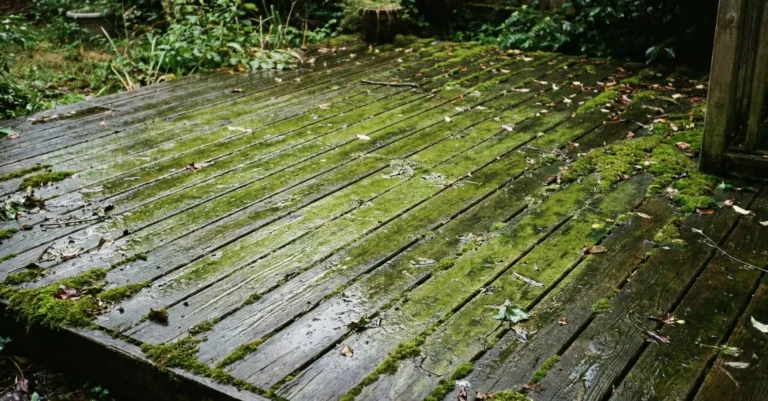
Most homeowners think rain causes the problem. It doesn’t. Rain just activates the slick surface that’s already there.
This guide walks you through what makes decks slippery, how to fix the problem, and how to keep it from coming back.
Understanding the Problem
What exactly is making my deck so slippery—algae, mold, mildew, moss, or just dirt and pollen?
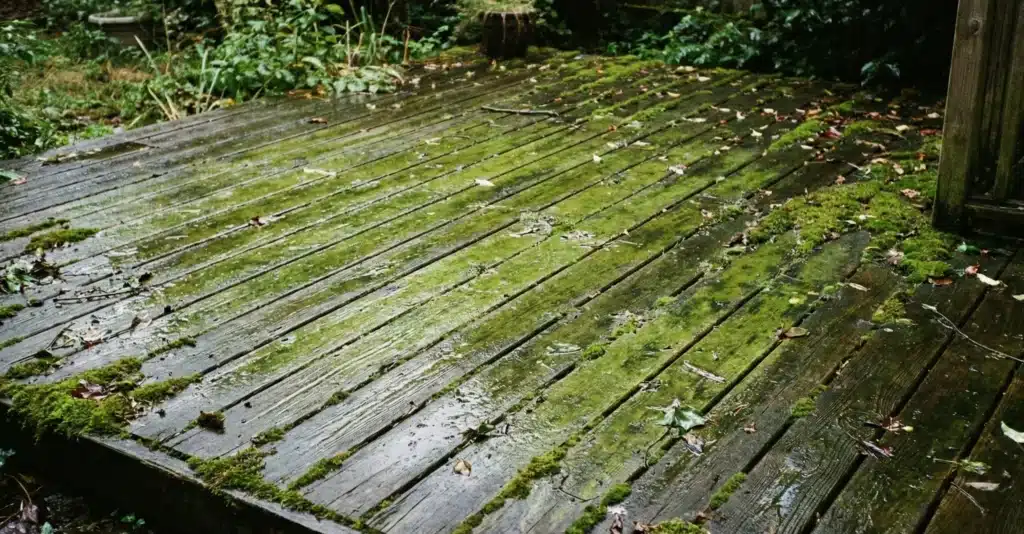
Biological growth combined with moisture causes most slippery decks. Not just dirt.
Algae is the main culprit. It forms a thin, greenish film that becomes slick when wet. You might not even see it clearly, but you’ll feel it under your feet.
Mold and mildew show up as black or gray spotting. They don’t always cause slipperiness by themselves, but they thrive in the same damp conditions that algae loves.
Moss grows in thick, spongy clumps where the deck stays consistently wet or shaded.
Dirt, pollen, and tree debris create a smooth organic layer that holds moisture and feeds algae growth.
The slick feeling comes from something called biofilm. It’s a microscopic layer that reduces friction, especially when damp. Think of it like the film that forms on river rocks.
The EPA explains how mold and mildew develop in outdoor environments. Purdue Extension has published research on how organic debris contributes to slippery surfaces on wood decking.
Is my deck more slippery in certain seasons or after specific weather, like rain or frost?

Yes. Seasonal moisture patterns play a major role.
Spring brings heavy pollen and rain. This creates ideal algae conditions. You’ll notice the deck gets slick faster in April and May than other times of year.
Summer humidity and afternoon shade promote mold and mildew. Even if it hasn’t rained, the deck stays damp enough for growth.
Fall is when wet leaves and debris trap moisture against the boards. If you don’t sweep regularly, you’re creating a perfect breeding ground.
Winter frost or light ice on smooth decking creates severe slip hazards. This is especially bad on composite or PVC boards that don’t have much texture.
Rain doesn’t cause slipperiness. It activates the slick surface that’s already there. If your deck is clean and properly sealed, rain alone won’t make it dangerous.
The CDC has documented slip and fall hazards related to seasonal moisture. The U.S. Forest Service has studied how weather conditions affect outdoor surface traction.
Are some areas of my deck more slippery than others, like shaded spots, stairs, or near planters?
Almost always.
The most common problem zones:
Shaded areas that don’t dry quickly after rain or morning dew.
North-facing sections that never get direct sun.
Stairs and landings. High foot traffic plus water runoff makes these the most dangerous spots.
Areas near planters, grills, or downspouts. Extra moisture concentrates here.
Low spots where water pools instead of draining.
If a section stays damp longer than the rest of the deck, it’s a prime candidate for algae growth. Pay attention to where you feel your foot slip. That’s where you need to focus your cleaning and maintenance.
The Washington Post covered common deck hazard zones in their home improvement section.
Safety and Urgency
How do I know when my slippery deck is a real safety hazard and not just a minor annoyance?
It’s a real hazard if:
You feel your foot slide unexpectedly, even just a little.
The surface is slick even when dry.
Children, seniors, or pets use the deck regularly.
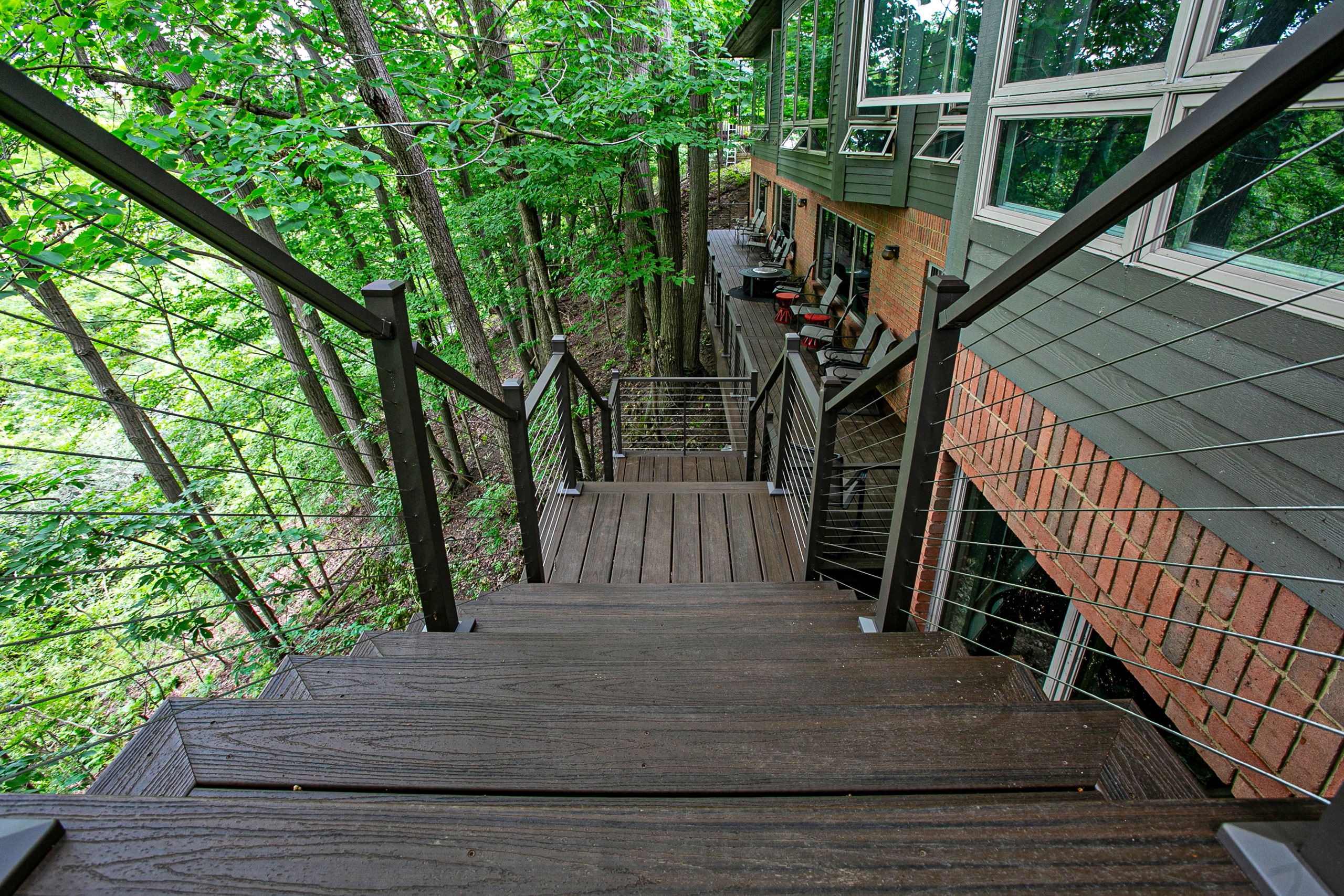
The deck is elevated or has stairs. Falls from height cause serious injuries.
You’ve already had a near-fall or caught yourself grabbing the railing.
CDC data shows falls are one of the leading causes of home injury. Slick outdoor surfaces significantly increase risk. Don’t wait until someone gets hurt to fix the problem.
What immediate steps can I take today to make the deck safer before guests come over?

Quick, short-term fixes:
Sweep thoroughly to remove pollen and debris. Use a stiff broom, not just a light brushing.
Rinse with plain water and scrub slick areas with a stiff nylon brush. This won’t solve the problem long-term, but it helps for a day or two.
Lay outdoor mats or non-slip stair treads in high-traffic zones. Focus on stairs and landing areas.
Block off dangerous sections if they’re too slick to use safely. Put chairs or planters in front of problem stairs until you can fix them properly.
Don’t use soap or household cleaners as a quick fix. They leave residue that makes the deck even more slippery.
Consumer Reports recommends these temporary safety measures while planning permanent solutions.
Are there any mistakes that could actually make the surface more dangerous while trying to fix it?
Yes. Some common fixes backfire.
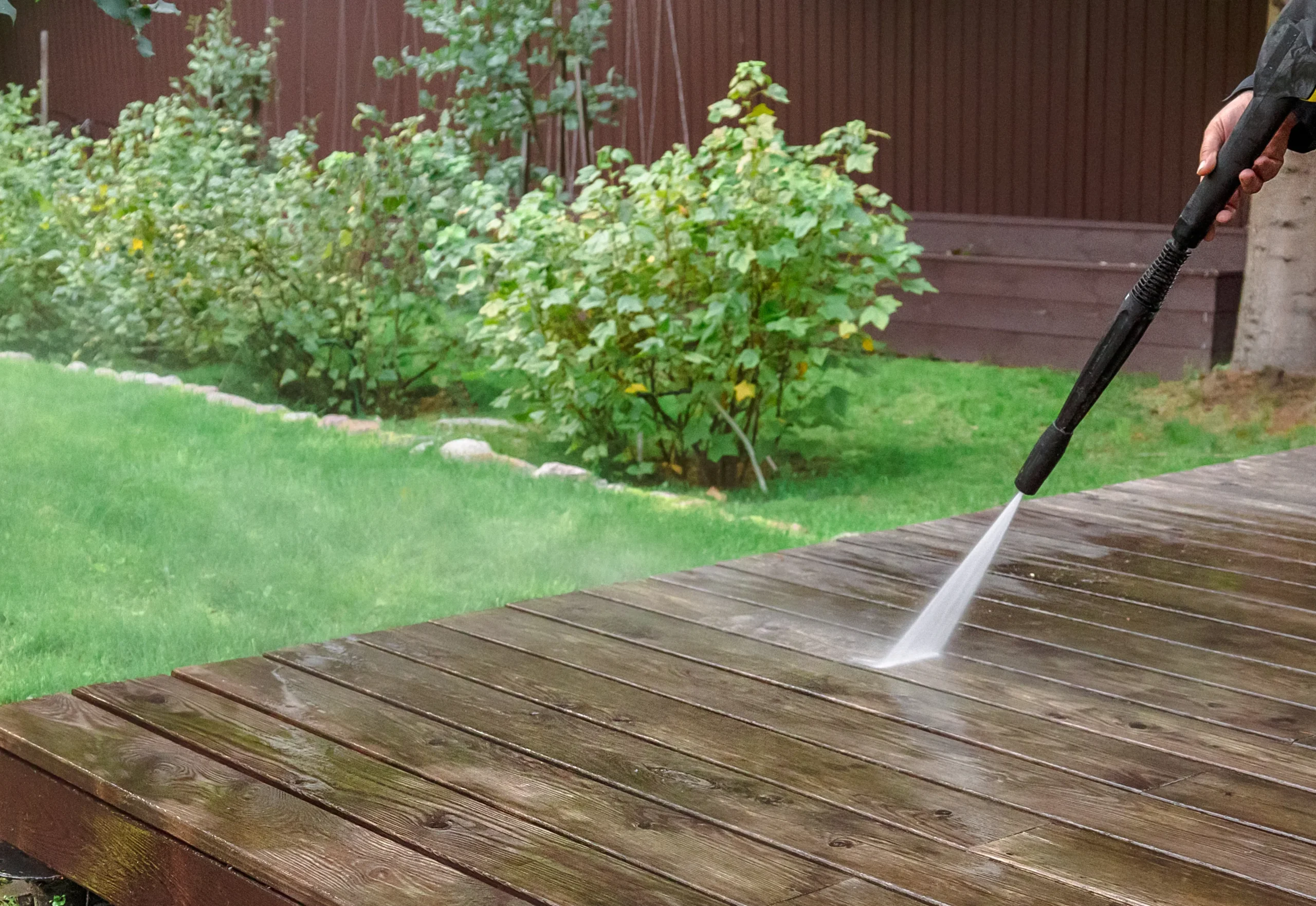
Over-pressure washing can smooth wood fibers, making them slicker than before. Once you’ve polished the wood grain smooth, it’s hard to restore texture.
Bleach-only cleaning kills algae but leaves dead organic matter behind. The dead biofilm is still slippery. You need to physically remove it, not just kill it.
Soap or degreasers leave slippery residue. This is worse than the original problem because now the deck is slick even when dry.
Glossy sealers or paints reduce traction. If you seal a deck with the wrong product, you’ve locked in a slippery surface.
Fixing slipperiness requires removing growth, not just bleaching it or coating over it.
This Old House explains common deck cleaning mistakes and how to avoid them.
Cleaning and Maintenance
What is the safest and most effective way to clean a slippery deck without damaging the wood or composite?
Best practice:
Use a deck cleaner designed for your material. Wood cleaners are different from composite cleaners. Don’t use the same product for both.
Apply with a pump sprayer. Cover the entire surface evenly.
Let it dwell for the recommended time. Most cleaners need 10 to 15 minutes to work. Don’t rinse too soon.
Scrub with a nylon or natural-bristle brush. You need to physically remove the biofilm, not just spray and rinse.
Rinse thoroughly with clean water. Leftover cleaner residue can be slippery.
For wood decks, oxygenated cleaners (sodium percarbonate) are safer than chlorine bleach. They brighten the wood and kill algae without leaving harmful residue or damaging fibers.
Wood Magazine details the best cleaning methods for wood decks.
Trex provides specific cleaning instructions for composite decking.
Should I use a pressure washer, and if so, how do I avoid gouging or roughening the surface too much?
You can use one. Carefully.
Guidelines:
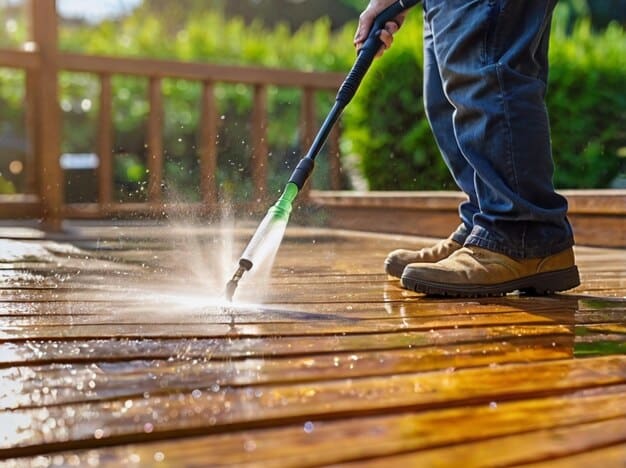
Keep pressure under 1,200 PSI. Higher pressure damages wood fibers and can crack composite boards.
Use a wide fan tip, not a pinpoint nozzle.
Maintain at least 12 to 18 inches of distance from the surface.
Never linger in one spot. Keep the nozzle moving in smooth, even passes.
Improper pressure washing damages wood fibers and exposes soft grain. This can actually make decks more slippery over time because the surface becomes polished and smooth.
For composite decking, many manufacturers recommend against pressure washing entirely. Check your warranty before you start.
Consumer Reports explains proper pressure washing technique to avoid damage.
How often should I clean my deck to keep it from getting slick again?
Most decks need:
Light cleaning every 2 to 3 months. Sweep off debris and rinse problem areas.
Deep cleaning once per year. Use proper deck cleaner and scrub the entire surface.
Spot cleaning as needed in shaded or damp areas. If you notice algae starting to form, clean it before it spreads.
Decks near trees or water require more frequent maintenance. You might need to clean every 4 to 6 weeks during growing season.
Popular Mechanics recommends a seasonal maintenance schedule based on climate and exposure.
Products and Treatments
What kinds of cleaners work best for removing algae, mold, and mildew on decks?
Look for:
Oxygenated deck cleaners for wood. These contain sodium percarbonate, which breaks down into oxygen, water, and soda ash. Safe and effective.
Manufacturer-approved composite cleaners. Trex, TimberTech, and Azek all make their own cleaning products. Use those if you have their decking.
Products labeled for algae removal, not just “brightening” or “restoring.” You need something that kills and removes biological growth.
Avoid straight bleach unless diluted properly and followed by thorough rinsing. Bleach kills algae but doesn’t remove the slippery residue effectively. You still need to scrub.
The EPA regulates algaecides and provides guidance on safe use of these products.
Do I need a special non-slip stain, sealer, or coating to improve traction on my deck?
In many cases, yes. Especially for wood decks.
Non-slip sealers add micro-texture without looking gritty. They’re formulated with additives that create a slightly rough surface.
They’re best for stairs, landings, and high-traffic paths where people walk barefoot or in wet conditions.
They must be compatible with your decking material. Don’t assume any sealer will work on any deck.
Composite and PVC generally should not be coated unless the manufacturer specifically allows it. Most composite warranties are void if you apply sealers or coatings.
Deck Stain Help explains different types of non-slip sealers and where to use them.
Are there anti-slip paints, additives, or grit strips I can apply, and where should they be used?
Yes. Placement matters.
Best uses:
Grit additives mixed into stain for stairs. You can buy fine-grit additives that blend into the stain color.
Non-slip treads or strips for stair nosings and edges. These are adhesive strips that provide traction on the front edge of each step.
Anti-slip coatings for porch floors and landings. These work well on flat surfaces that get wet.
Don’t apply gritty coatings across the entire deck. They’re uncomfortable under bare feet and hard to keep clean.
Family Handyman covers stair safety improvements including non-slip treatments.
Design, Drainage, and Long-Term Fixes
Could poor drainage, standing water, or lack of sun be causing my deck to stay slick longer than it should?
Absolutely.
Common design problems:
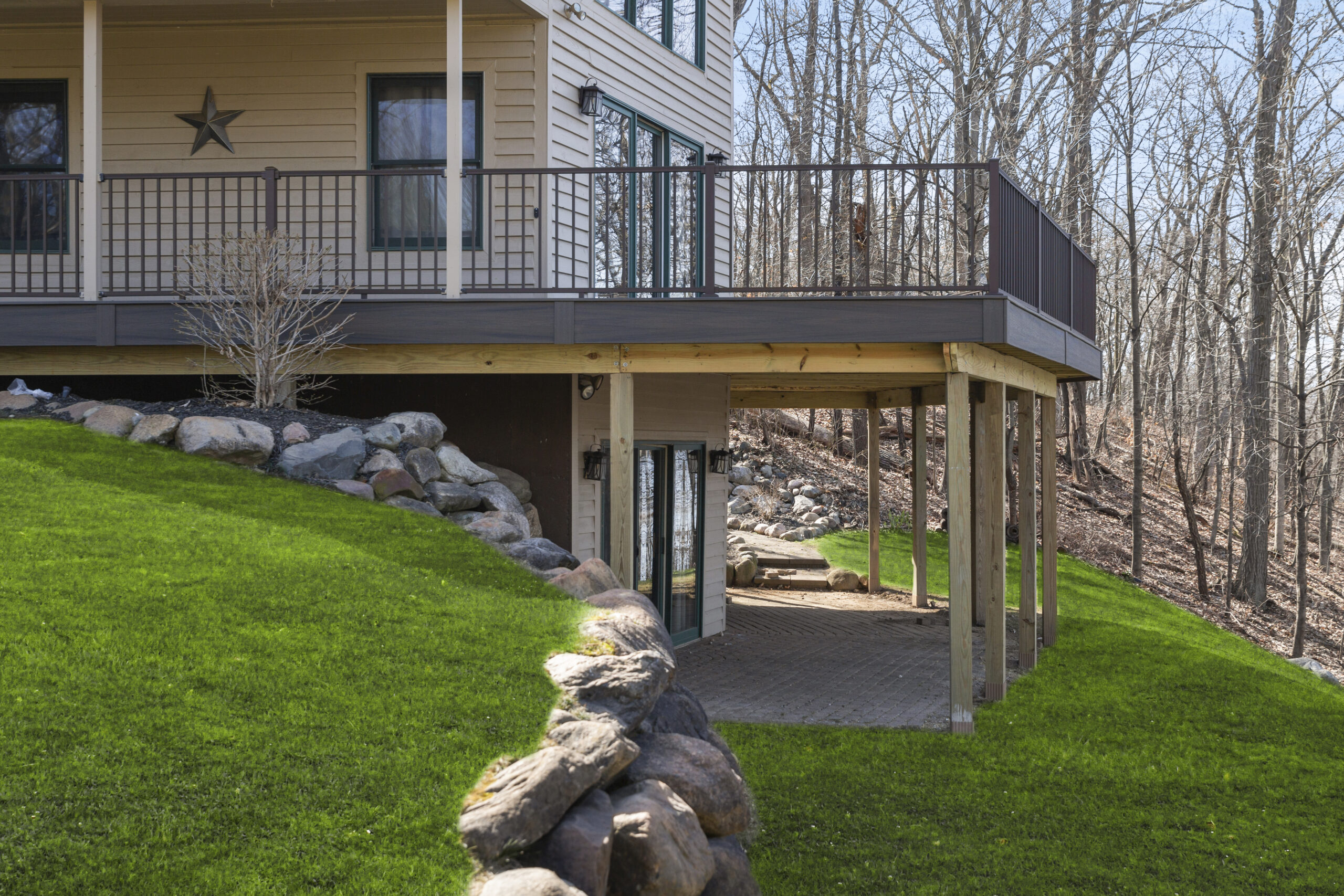
Inadequate slope. Water doesn’t shed off the deck surface. It should slope at least 1/8 inch per foot away from the house.
Decks built too close to grade. Air can’t circulate underneath, so the deck stays damp.
Blocked airflow underneath. Lattice, stored items, or dense landscaping prevents drying.
Overhanging trees limiting sun exposure. Shade is nice for people, but bad for deck maintenance.
If water can’t drain or evaporate, algae will return no matter how often you clean. You’re fighting the design, not just the dirt.
Fine Homebuilding explains proper deck drainage and how it affects longevity.
Does the type of decking material—wood, composite, PVC—change how I should fix and prevent slipperiness?
Yes. Significantly.
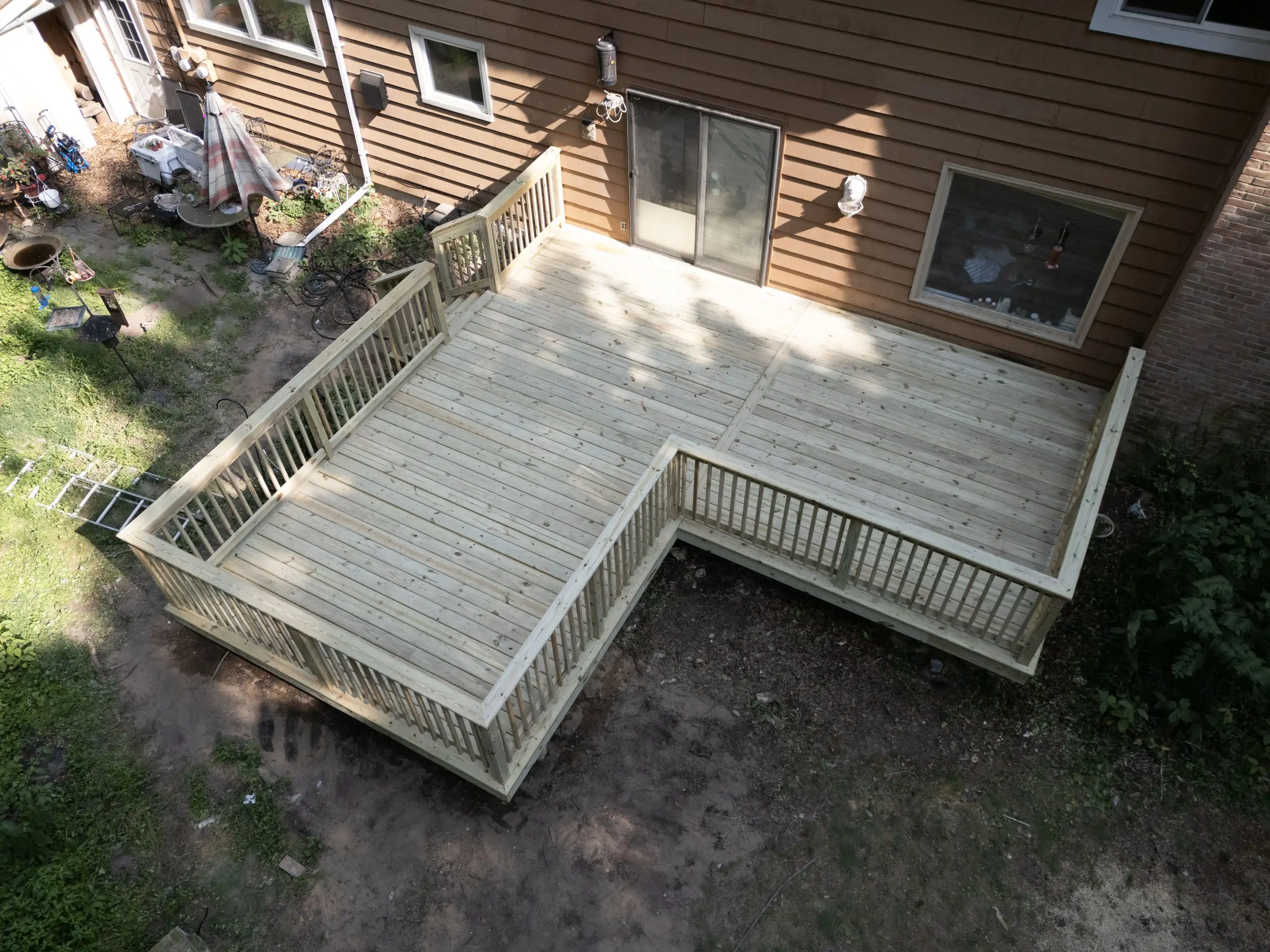
Wood requires regular cleaning and breathable sealers. Wood absorbs moisture, so you need to clean it more often and seal it properly to prevent algae from taking hold in the grain.
Composite needs manufacturer-approved cleaners. Most composite warranties void if you use harsh chemicals or pressure washers. Never coat composite decking with paint or sealer unless the manufacturer specifically allows it.
PVC is highly moisture-resistant but can be slick when smooth and wet. PVC doesn’t absorb water, which is good for rot prevention but bad for traction in rain.
Each material has different texture, porosity, and maintenance limits. What works for pressure-treated pine will damage Trex.
Trex Academy provides material-specific maintenance guides.
This Old House reviews different composite materials and their maintenance requirements.
When is it better to rethink the deck surface entirely—like replacing boards, adding texture, or switching materials—rather than just cleaning and recoating?
Consider replacement if:
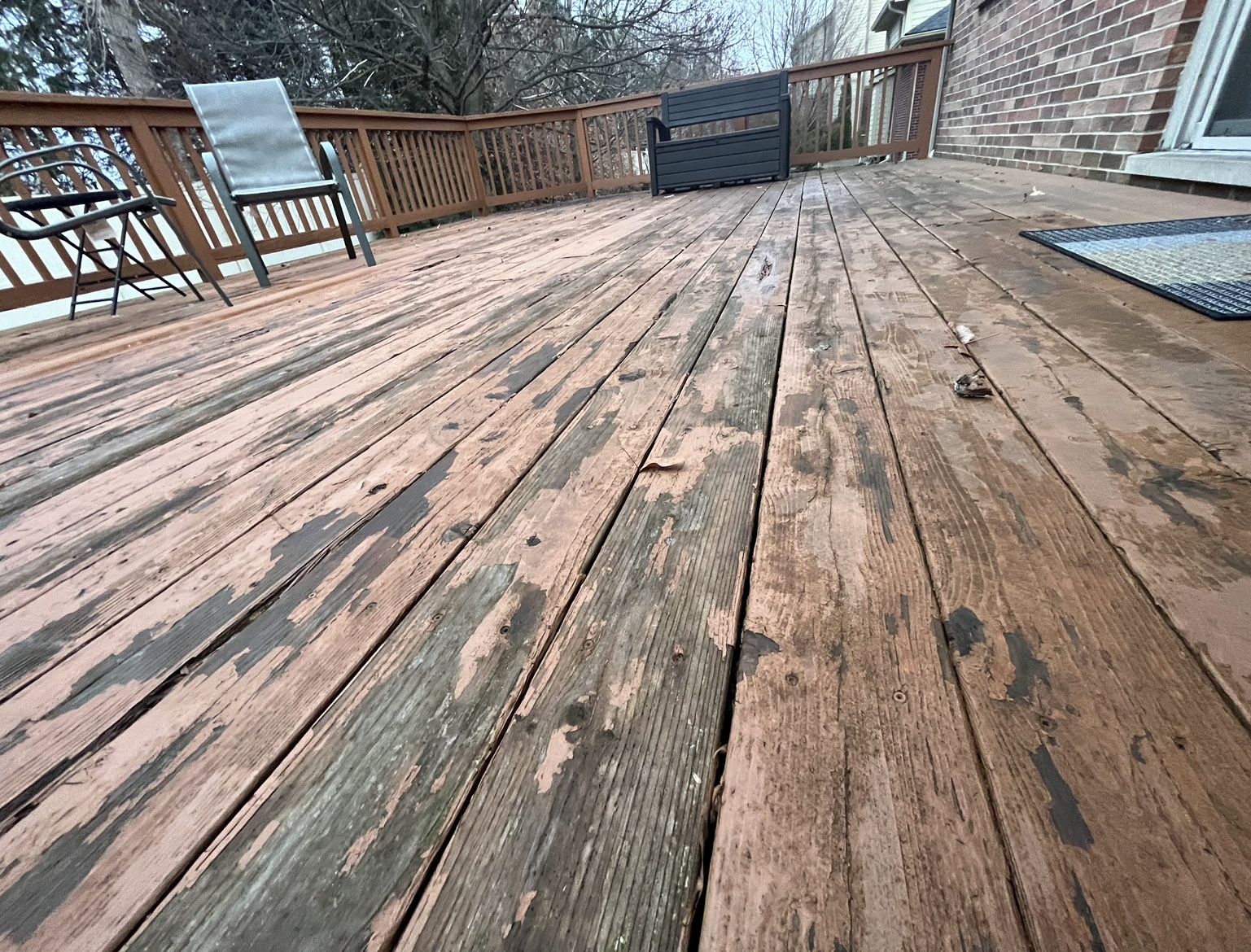
Boards are cupped, splintered, or smooth-polished from years of wear. Once the texture is gone, you can’t restore it.
Slipperiness returns quickly after cleaning. If you’re cleaning every few weeks and the deck is still slick, the material itself is the problem.
The deck lacks proper drainage or airflow. If the design traps moisture, cleaning is a temporary fix.
Safety upgrades are overdue. Old railings, rotted stairs, or undersized ledger bolts are bigger problems than slippery boards.
Sometimes the safest solution isn’t more maintenance. It’s better materials or smarter design.
If your deck was built 15 to 20 years ago, it might be time to tear it down and rebuild with modern materials and proper drainage. Composite decking has come a long way. New boards have better texture and resist algae growth more effectively than first-generation products.
Find out if your deck needs replaced with this helpful guide:
Final Thoughts
A slippery deck isn’t just annoying. It’s a liability.
Clean your deck at least once a year with proper cleaners designed for your material. Scrub problem areas more often. Use non-slip treatments on stairs and landings.
If cleaning doesn’t solve the problem, look at drainage, sun exposure, and airflow under the deck. Fix the design issues that keep moisture trapped.
If the deck is old, worn smooth, or built with poor drainage, consider replacing it with better materials. Modern composite decking is textured to provide better traction and requires less maintenance than wood.
Don’t wait until someone falls. Fix it now.